WHAT MAKES A LEADER?

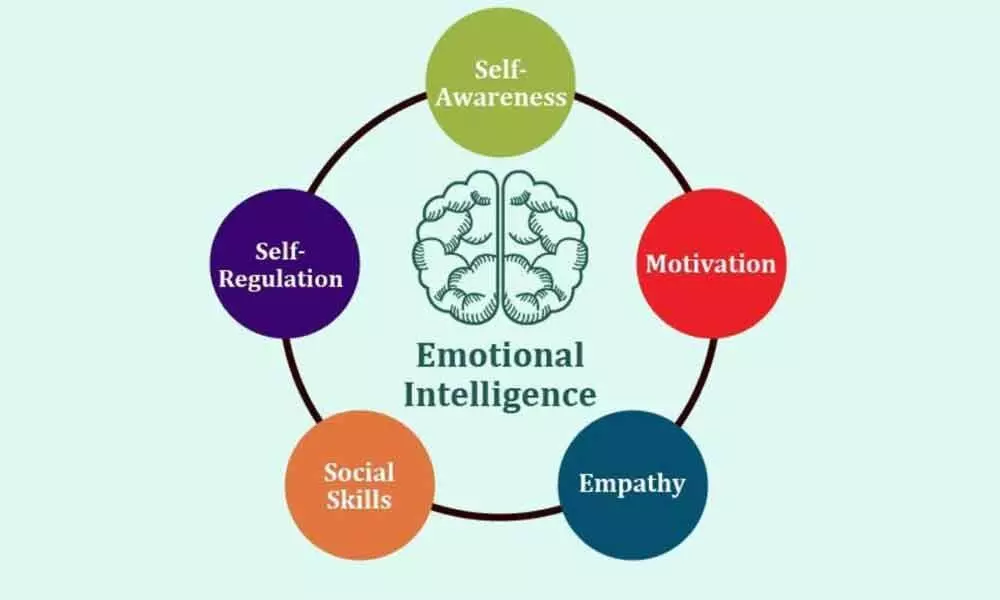
To define the ideal leader many would highlight some traits such as intelligence, toughness, determination and vision. These are some qualities connected with leadership. This types of skills are necessary but insufficient qualities for the leaders. Psychologists and Author Daniel Goleman is the man who first brought the term"emotional intelligence"to a wide extensive with his 1995 book of the same name and he also, first applied the concept to business with thus 1998 classic HBR article. In his research at nearly 200 large, global companies, Goleman found that truly effective leaders are distinguished by a high degree of emotional intelligence. The components of emotional intelligence self-awareness, self-regulation, motivation, empathy, and social skill. We all knows a story about intelligent, highly skilled executive who was promoted into a leadership position only to fail at the job. And also know a story about someone with solid—but not extraordinary—intellectual abilities and technical skills who was promoted into a similar position and then soared.
The Five Components of emotional intelligence at work:
1. Self awareness : The ability to recognize and understand your moods, emotions, as well as their effects in others.
2. Self regulation: The ability to control or redirect disruptive impulses and moods. The tendency to suspend judgement to think before acting.
3. Motivation: A passion to work for reasons that go beyond money or status. The tendency to chase goals with energy and determination.
4. Empathy: The ability to understand the emotional makeup of other people. Skill in treating people according to their emotional reactions.
5. Social skill: Experienced in managing relationships and building networks. An ability to find common ground and build report.
Measures of emotional intelligence :
There are two methods of measuring Emotional intelligence :
1. Self- report measures of EI
2. Ability-based measures of EI.

Three ways to better understand your Emotions.
1. Broaden your emotional vocabulary: Words matter. If you’re experiencing a strong emotion, take a moment to consider what to call it.
2. Consider the intensity of the emotion.
3. Write it out.

Emotional Intelligence can be the key to success in our life, especially in our career. The ability to manage people and relationships is very important in all leaders. So, developing and using your emotional intelligence can be a good way to show others the leader inside of you. Emotional Intelligence is a master aptitude, a capacity that profoundly affects all others abilities, either facilitating or interfering with them.
Varsha Tiwari.
Student.

Comments
Post a Comment